Opening the Archives: Bethlehem United Methodist Church Preserves More Than a Century of Community Memory
By Zha’Mauri Howard and T. DeWayne Moore
This week marked another important milestone in the preservation of African American history in Waller County.
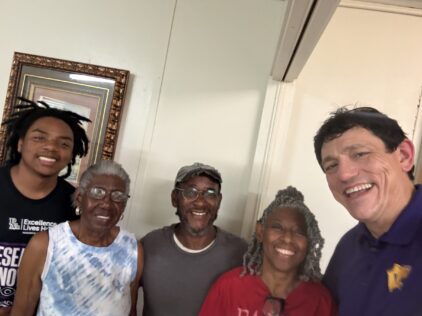
Alongside my graduate student, Zha’Mauri Howard, and longtime church member Geneva Moore, we spent the day working inside Bethlehem United Methodist Church in Hempstead, Texas, organizing and assessing the church’s remarkable archival collection. We were also joined by Geneva’s daughter, Loretta Sanchez, making this a truly multigenerational day of historical discovery.
What we encountered exceeded our expectations.
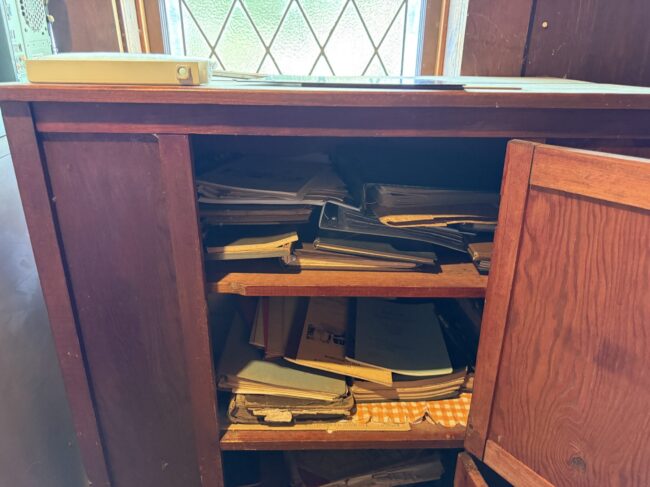
For generations, Bethlehem United Methodist Church has carefully safeguarded its own history. Hidden inside cabinets, filing drawers, closets, and storage spaces were decades of church records waiting to tell their stories.
Among the materials we examined were:
historic photographs
anniversary and Homecoming programs
administrative records
membership materials
correspondence
church publications
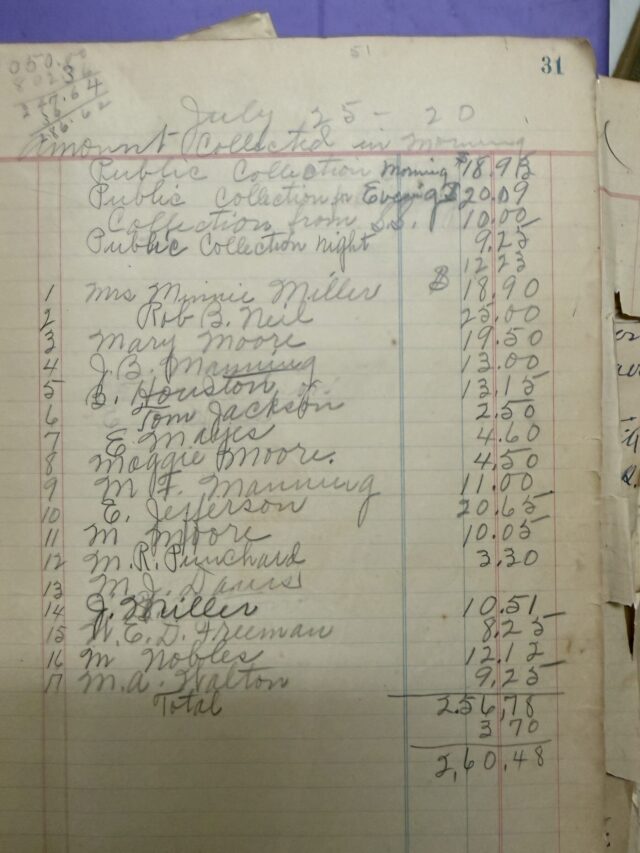
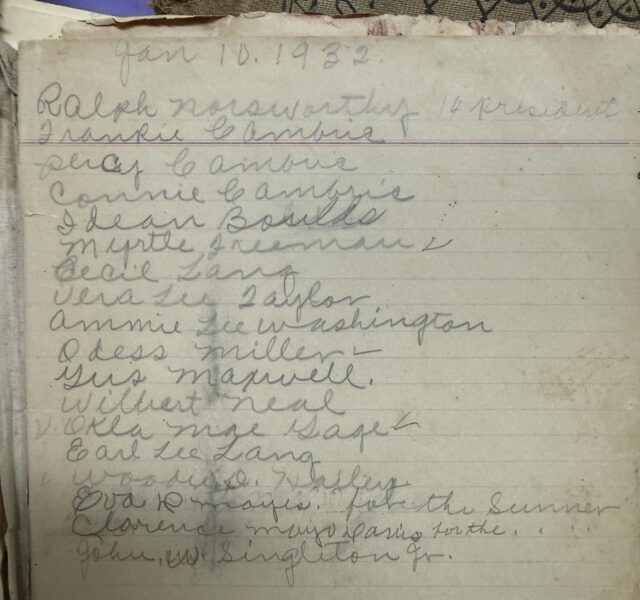
handwritten notes
bound record books
and numerous unidentified historical documents dating across much of the twentieth century.
Every folder opened revealed another piece of the congregation’s remarkable history.
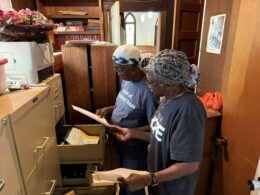
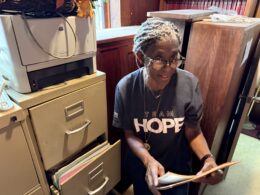
One of the most rewarding moments came as Geneva Moore and longtime church members carefully examined photographs and documents together. Their conversations transformed unidentified faces into named individuals, anonymous events into remembered occasions, and ordinary papers into living history. Archival work is never simply about preserving documents—it is about preserving memory.
The collection also contains records that will help document Bethlehem’s evolution from the nineteenth century through the Civil Rights era and into the present. These materials will significantly strengthen the church’s ongoing historic preservation efforts and provide future researchers with an extraordinary resource for understanding African American religious life in Waller County.
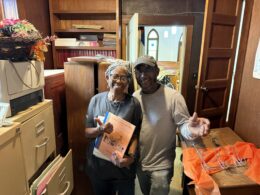
Our graduate student Zha’mauri Howard joined us throughout the visit, helping document the collection and learning firsthand how community archives are preserved through collaboration with descendant communities. Experiences like these demonstrate why hands-on public history training is so valuable. Students are not simply learning archival theory—they are participating in the preservation of history that matters deeply to living communities.
As Director of the Woolfolk Digital Preservation Lab at Prairie View A&M University, I am continually reminded that the most important archives are often still in the hands of the communities that created them. Rather than waiting for these records to arrive in a university repository, we can partner with churches, families, and local organizations to help preserve them where they remain most meaningful.
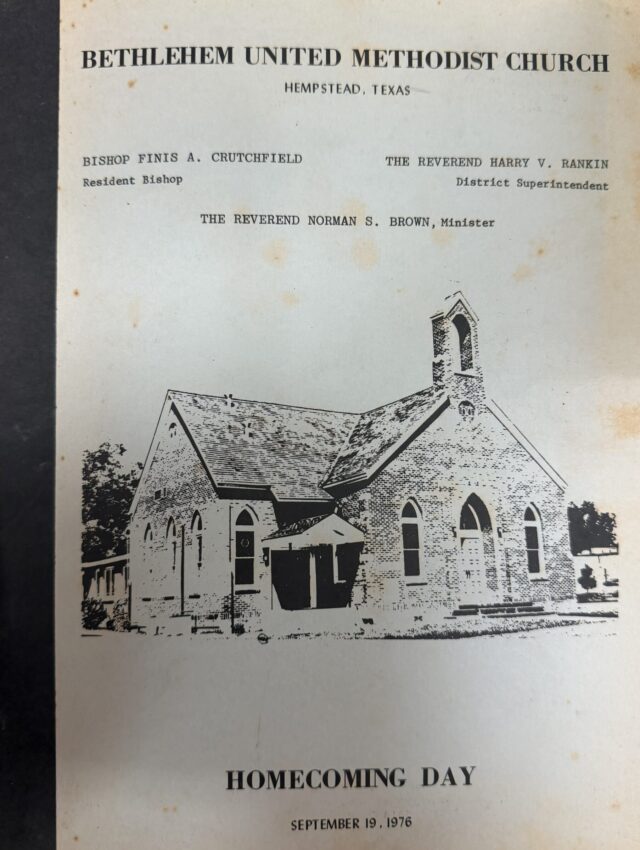
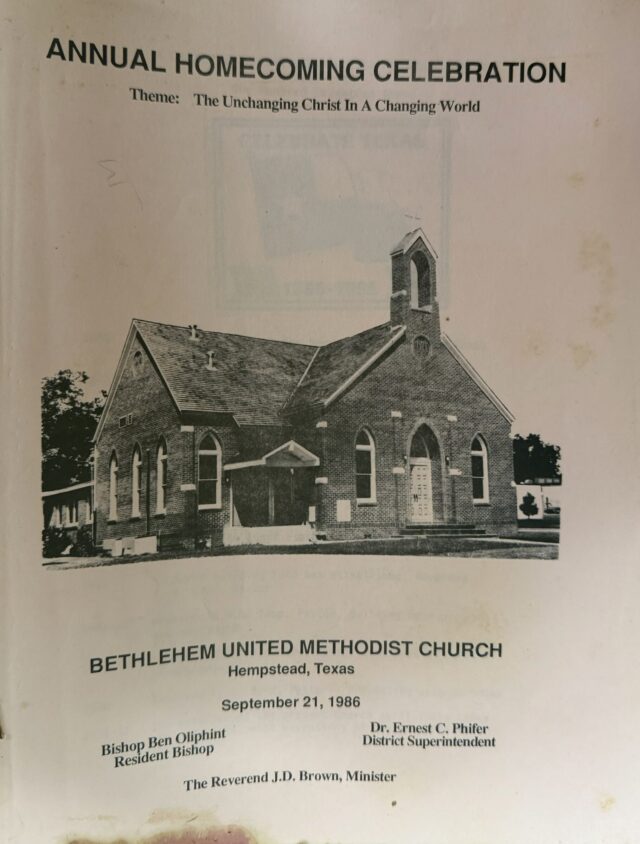
The photographs from this visit capture more than archival work. They document trust, collaboration, and shared stewardship. They show community members identifying photographs, examining decades-old records, exploring hidden storage cabinets filled with historical materials, and celebrating discoveries together.
This work represents the beginning—not the end—of Bethlehem’s archival preservation project. Over the coming months, the Woolfolk Digital Preservation Lab will continue working with the congregation to organize, preserve, digitize, and describe these materials while ensuring that the history of one of Hempstead’s most important African American institutions remains accessible for future generations.
History survives because people choose to preserve it.
At Bethlehem United Methodist Church, that work is well underway.