A Church Filled with History
I cannot enter Bethlehem without also seeing it through the eyes of a historian.
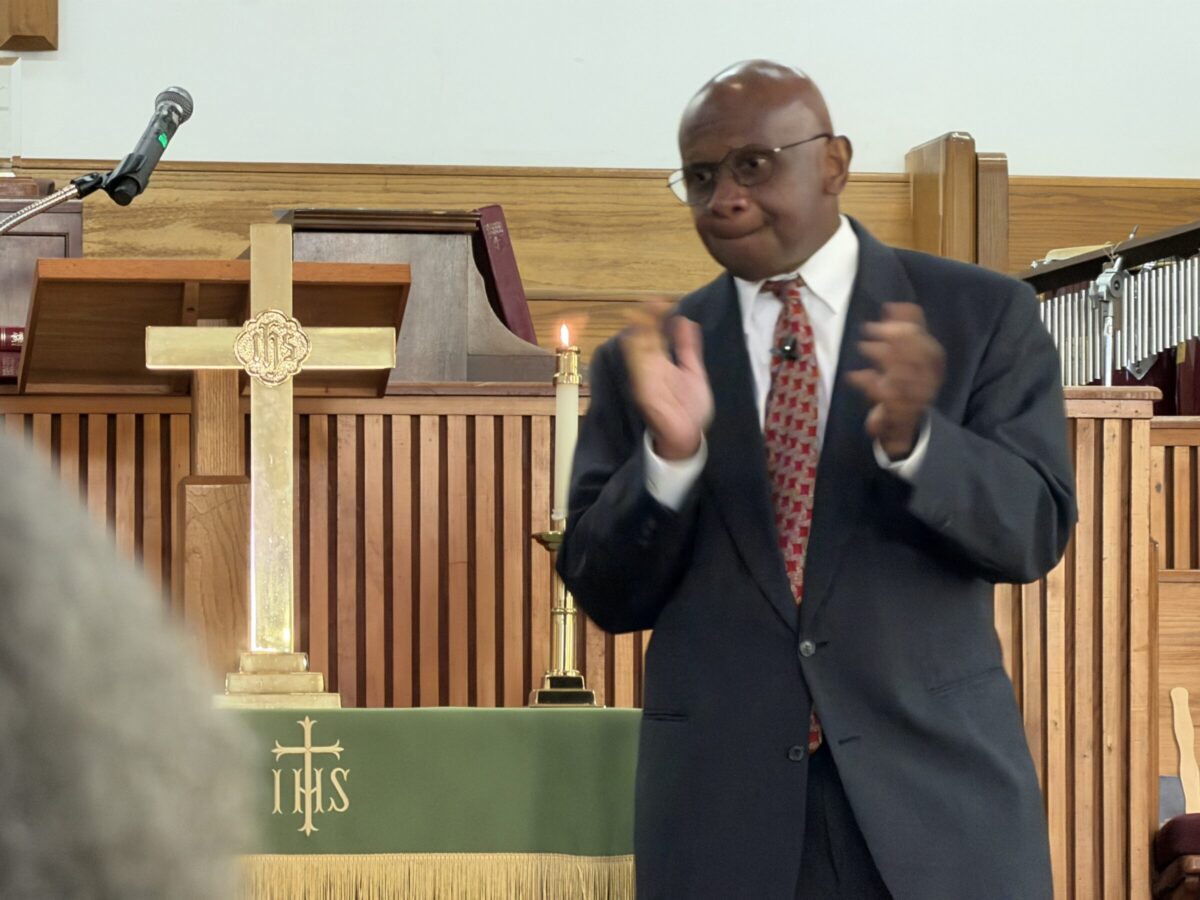
The wooden pews, stained-glass windows, pulpit, altar, choir area, light fixtures, and sanctuary architecture are not simply features of a building. They are witnesses.
Generations have sat in these pews.
Children have grown up here.
Families have mourned here.
Couples have married here.
Ministers have preached from this sanctuary. Choirs have sung. Funerals have been held. Homecomings have reunited families and friends. Members have prayed through wars, segregation, economic hardship, political upheaval, personal tragedy, and extraordinary social change.
And Sunday after Sunday, people kept coming back.
That continuity matters.
As a historian, I spend much of my professional life trying to recover evidence of African American lives and institutions that conventional archives too often overlooked. Bethlehem reminds me that a church archive is not confined to boxes of minutes, programs, photographs, ledgers, and correspondence.
The archive is also the building.
It is the congregation.
It is the music.
It is the stories people tell after service.
It is the names remembered by elders.
It is the rituals taught to children.
And sometimes the archive is a nine-year-old boy learning how to carry the light into the sanctuary.